
The Online Casino Opportunities in 2026: Market Snapshot

Most guides answer “should I start an online casino?” This one answers a more useful question: which door do you actually walk through? Online casino business opportunities in 2026 aren’t a single path; they are at least six distinct entry models, each with its own capital requirement, speed to market, and risk profile. Crypto-native demand and growing social-sweepstakes adoption make this a genuinely active entry window, and online casino market size continues expanding globally even as regulated real-money markets consolidate. Aspiring operators, entrepreneurs, and resellers weighing how to enter iGaming need to see these paths separately, not blurred into a single generic “how to start” checklist, which is exactly where the online gambling business opportunities conversation usually goes wrong.
The 6 Online Casino Business Models: Which Door Fits You
Every ranking guide on this topic treats entry as one monolithic path. It is not. Here are the six real online casino business model options, compared side by side.
|
Model
|
Upfront Capital
|
Time to Launch
|
Risk
|
Control
|
Best For
|
|
Build from scratch (own license + platform)
|
Highest | Slowest | Highest | Full | Well-capitalized founders with a long runway |
|
Turnkey solution
|
High | Moderate | Moderate-high | High | Founders who want ownership without full build risk |
|
White-label
|
Moderate | Fast | Moderate | Limited | Founders who want brand presence fast |
|
Buy an existing online casino
|
Variable, often high | Fast (post-close) | Moderate | Full once acquired | Founders with capital who want to skip the build entirely |
|
Affiliate / marketing partner
|
Lowest | Fastest | Lowest | None (no operations) | Marketers who want revenue-share without operating anything |
|
Agent / Distributor reseller
|
Lowest (operational) | Fastest (operational) | Low-moderate | Operational only | Founders who want to run a real operation without a build |
Build from scratch means owning the license and the platform outright. It is the highest-control, highest-cost, highest-risk path, and it is rarely the right starting point for a first-time founder.
Turnkey means a provider builds a platform for you to operate under your own license application. It sits between white-label and full self-build on cost, control, and timeline.
White-label means renting a licensed platform and putting your brand on top. Fast to launch, but you inherit the provider’s constraints.
Buying an existing online casino skips the build entirely, but comes with its own due-diligence risk around the operation’s actual player base, compliance history, and financials.
Affiliate or marketing partner status means earning revenue share by driving players to an operator, with zero operational responsibility and correspondingly limited upside.
Agent or distributor is the model VegasX itself runs on: operating on an existing provider’s platform, game library, and infrastructure, without building or licensing your own. It is the lowest-friction way to run an online casino business model in days rather than months, and it is the path most VegasX operators start with. Among all the online casino business opportunities covered here, this is the one that lets you test a market before committing real capital. It is common for operators to begin here, test their market, and decide later whether a heavier build is even worth pursuing.
How Online Casinos Actually Make Money
The online casino revenue question comes up constantly, and most guides answer it vaguely. Here is what actually drives the number.
Revenue Streams
Gross gaming revenue (GGR), the house edge margin on wagered credits, is the core revenue driver across every model. Rake on table-style formats, in-game credit sales, and affiliate revenue share round out the rest, with the exact mix varying heavily by which of the six models you are operating under.
What Margins Look Like
Realistic net or EBITDA-margin ranges vary substantially by model and jurisdiction, and any figure quoted without that caveat should be treated skeptically. Established real-money operators in mature regulated markets often report EBITDA margins in the low-to-mid double digits once marketing spend is fully accounted for, a range broadly consistent with figures reported by public iGaming operators in recent industry filings. Distributor and agent-model operators typically see a different economic shape entirely: lower absolute revenue per account early on, but a substantially lower cost base offsetting it, since platform, game content, and technical infrastructure are already provided.
What It Costs to Get In: Capital by Model
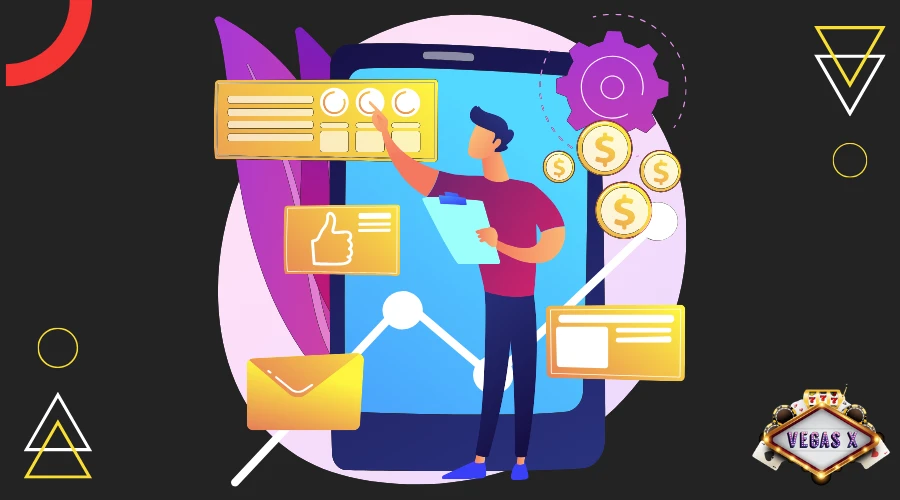
Mapping capital to model is the fastest way to self-select, and the honest range varies more than most guides admit. Build from scratch and full independent licensing sit at the high end of the range. Turnkey and white-label sit in the middle. Agent and distributor access sits at the low end, often requiring little more than the willingness to operate. This summary intentionally stays high-level, since the deep, line-by-line breakdown belongs to the full cost breakdown guide, worth reading before you build your own online casino business plan around any of the six models above.
The Low-Capital Route: The Agent & Distributor Opportunity
No ranking page frames operating on someone else’s platform as a real business opportunity, and that is a real gap, since it directly answers the most common version of “how do I start with little or no money.”
An agent typically refers players and earns commission on their activity. A distributor operates a more complete platform relationship, with access to the full game library, technical support, and infrastructure the provider maintains. In both cases, the provider supplies the platform- 800-plus games in VegasX’s case- payment processing, and technical support, while the operator focuses entirely on the player relationship and growth.
The revenue-share economics work because the provider absorbs the build cost and spreads it across many operators, letting each individual agent or distributor start without the six-figure capital a self-build demands. New agents onboarding onto VegasX’s platform typically go from signed agreement to actively serving players within days, not months, since there is no platform to build and no independent license application to wait on.
Legality & Licensing: Know Before You Commit
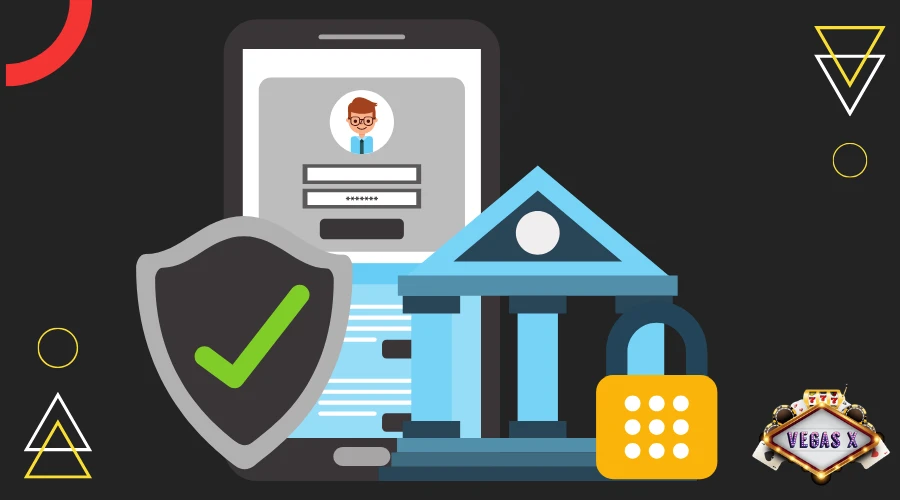
Build and white-label models require a gambling license in the traditional sense, and that process involves more moving parts than most founders expect; the online gambling licence guide walks through it step by step. The agent and distributor route operates under the platform provider’s existing infrastructure and compliance framework rather than requiring an independent license application. The sweepstakes and social-casino model follows a different legal structure entirely, covered in the next section.
Requirements vary meaningfully by state and country, and this is not legal advice. The Federal Trade Commission’s guidance on sweepstakes promotions is a useful starting reference for the no-purchase-necessary framework underlying that model specifically. Still, operators should always confirm their specific jurisdiction’s requirements with qualified counsel before committing capital.
The Crypto & Social-Sweepstakes Angle
None of the top-ranking guides on online casino business opportunities address the crypto-native, social-sweepstakes model as its own distinct entry path, and that is a real gap given how much of the current US demand runs through it.
This model uses in-game credits and promotional entries rather than direct cash wagers, distributed under a no-purchase-necessary structure that gives it a different legal basis than traditional real-money gambling in most states. It is a genuinely lower-barrier way to enter the US market specifically, and it is the model VegasX operates on directly. Of the online casino business opportunities available to US-focused founders right now, this one carries the fewest regulatory obstacles. All promotions in this space run as in-game credits, never as cash payouts, and that framing matters both for compliance and for setting accurate player expectations from day one.
Choosing Your Opportunity: A Quick Decision Framework
Four questions narrow six models down to one fast.
How much capital can you deploy today? Under a few thousand dollars points toward agent, distributor, or affiliate. Six figures or more opens build, turnkey, or acquisition.
How much operational risk are you willing to own? Low risk tolerance favors agent, distributor, or affiliate, since the provider carries the platform and compliance burden. Higher risk tolerance opens the door to turnkey or full build.
How fast do you need to be generating revenue? Days to weeks points to agent or distributor. Months to a year-plus is realistic for turnkey, white-label, or build.
How much brand and product control do you actually want? If full ownership matters more than speed, build or acquisition are the only models that deliver it. If speed and low risk matter more, the agent and distributor route wins on both counts simultaneously.
Most first-time founders answering these four questions land on the same place: start with the low-capital, low-risk agent or distributor route, prove the market, then decide whether a heavier build is ever actually necessary. Do not forget that you can also become a Vegas X distributor
Frequently Asked Questions
What are the main online casino business opportunities in 2026?
Six distinct paths: building from scratch with your own license, a turnkey solution, white-label, buying an existing operation, affiliate or marketing partnership, and operating as an agent or distributor on an existing platform. Each carries a different capital requirement, timeline, and risk profile.
Which online casino business model needs the least upfront capital?
The agent and distributor route and affiliate marketing both require minimal upfront capital, since neither involves building or licensing a platform. The distributor route additionally gives you a full operational business, not just a referral relationship.
How do online casino owners make money?
Primarily through gross gaming revenue, the house edge margin on wagered credits, plus rake on table-style formats, in-game credit sales, and affiliate revenue share depending on the specific model.
What profit margin can an online casino realistically expect?
It varies substantially by model and jurisdiction. Established regulated real-money operators often report EBITDA margins in the low-to-mid double digits after marketing costs. Distributor and agent-model economics look different, with lower absolute revenue per account offset by a much lower cost base.
Can you start an online casino with little or no money?
Yes, specifically through the agent, distributor, or affiliate models. These routes operate on an existing provider’s platform and infrastructure rather than requiring you to fund a build or license application. You can also check our guide on how to start an online casino
What is the difference between white-label and turnkey casino solutions?
White-label means renting a fully built, licensed platform and branding it as your own with limited backend control. Turnkey means a provider builds a platform for you to operate under your own license, giving more control at a higher cost and longer timeline.
Is it better to build an online casino or become an agent or distributor?
For most first-time founders, the agent or distributor route is the more sensible starting point, since it tests the market at a fraction of the cost and risk of a full build. Building from scratch makes more sense once you have proven demand and want full long-term control.
How much does it cost to enter the online casino business?
It ranges from near-zero for agent, distributor, and affiliate models to well into six figures for a self-built, independently licensed platform. The full breakdown by line item is covered in the dedicated cost guide linked above.
Do you need a gambling licence for every online casino business model?
No. Build and white-label typically require one. Agent and distributor operators work under the provider’s existing license and compliance framework. The sweepstakes and social-casino model follows a separate legal structure that does not require a traditional gambling license in most states.
What is the crypto and social-sweepstakes casino opportunity?
A model built on in-game credits and promotional entries rather than direct cash wagers, operating under a no-purchase-necessary legal structure distinct from traditional real-money gambling. It represents a genuinely lower-barrier US entry point and is the model VegasX itself runs on.
How big is the online casino market?
The global online casino and iGaming market continues to grow, with crypto-native and social-sweepstakes demand specifically expanding even as some regulated real-money markets face tightening restrictions. Exact figures vary by source and should be confirmed against current market research before being cited as fact.
What are the biggest risks in the online casino business?
Compliance risk tops the list across every model, particularly around licensing requirements and evolving state-level sweepstakes regulation. Payment processing reliability, thin game libraries hurting retention, and underestimating ongoing marketing spend are the next most common risks, regardless of which entry model you choose.
The Next Step
Readers who want the lowest-risk, fastest entry can become a Vegas X agent. Talk to the VegasX team about what that onboarding process looks like for your specific market and timeline.
Compliance note: all bonus and credit references throughout use promotions and in-game-credit framing, never cash or no-deposit offer language. This is a B2B operator-education page and stays inside the B2B silo throughout.